Agricola All Creatures...
- 3.8
- Rating
- 10.00K
- Installs
- $4.49
- Price
 Analysis by App-foxy
I went into Agricola All Creatures expecting a compact digital board game, and that is exactly what it feels like: focused, deliberate, and built around a close contest between two people. This is a board game in the strategy category from Twin Sails Interactive, centered on livestock breeding rather than a large farm-management simulation. Its appeal comes from making a small play area feel crowded with meaningful decisions.
The basic situation is easy to understand. You and another player are trying to develop a better farm, improve your animal stock, and use limited opportunities more effectively than your opponent. The theme is friendly enough for an Everyone-rated game, but the decisions are not completely casual. A harmless-looking choice early on can leave you short of space, animals, or useful improvements later.
After spending time with it, my main impression is that the game works best when I treat it as a quiet tactical duel rather than a quick pastime. It asks me to watch what the other player wants, plan around a restricted board, and accept that I cannot take every attractive option. That tension gives the livestock theme more weight than the cheerful subject might suggest.
You May Also Like

 Blood Strike: 2.5 Anniversary
Blood Strike’s Loadouts Turn Every Drop Into a Tactical Gamble
A close look at Blood Strike’s custom loadouts: how fast access to signature weapons reshapes its battle royale rhythm, rewards preparation, and narrows the gap between fights.

 Pandora - Music & Podcasts
Pandora’s Music Is Easy to Start, but Harder to Recover
Pandora’s strength is its low-effort path from a seed to a station. Its weak spot is how much confidence it asks you to place in connection, setup, and quiet recovery.

 8 Ball Pool
 Is Built on Rivalries, Rematches, and Routine
A close look at the rivalries, rematches, shared routines, and unanswered safety questions that turn a quick pool match into a persistent mobile community.

 Samsung Music
’s Quiet Strength Is Playing What You Already Own
Its reach comes less from spectacle than from dependable access to a personal library. That simplicity is both the app’s strongest retention engine and its ceiling.

 AccuWeather: Weather Radar
AccuWeather Review: A Quick, Clear Forecast for Everyday Decisions
For everyday plans, the best forecast is the one you can understand quickly. AccuWeather makes rain timing, radar, and local conditions easy to act on, with a few trade-offs.

 Hill Climb Racing
Why Hill Climb Racing Still Turns Crashes Into One More Run
A tiny car, a bumpy hill and one more upgrade: Hill Climb Racing keeps resurfacing because its simple chaos makes every near-miss feel personal.
More From Our News Desk
View All News


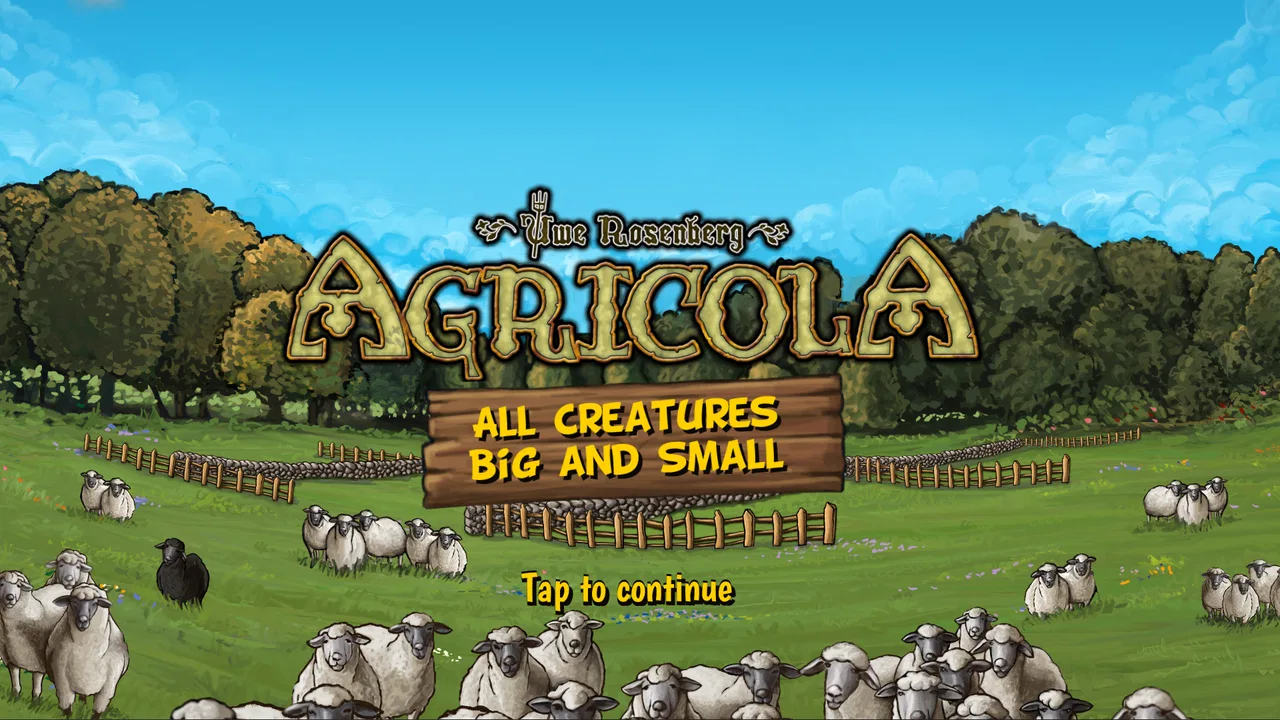
A small farm with a surprisingly strong visual language
The setting is communicated through the farm itself. Pens, animals, buildings, and open spaces are not just decorative ideas; they give the board a clear visual vocabulary. I can usually understand the state of a position by looking at how crowded the farm is and where the animals have been placed. That matters on a mobile screen, where a complicated board can quickly become tiring to read.
The art direction supports the two-player scale well. This is not trying to present a huge countryside or an expansive agricultural world. Instead, it makes the personal farm feel like the entire stage. The result is intimate: every enclosure matters, every empty space looks useful, and every new animal changes the shape of the board.
I particularly like how the visual theme keeps the competition approachable. The subject avoids the aggressive look common in many strategy games, so the rivalry feels more like a contest between two careful farmers than a battle. At the same time, the presentation does not remove the pressure. When the opponent takes an option I had been preparing for, the calm setting makes the setback feel sharper because there is no visual noise distracting me from the decision.
This is also where the game separates itself from many casual board alternatives. A simple matching game or a light dice app may offer faster feedback, but it usually does not make the physical arrangement of a farm part of the central problem. Here, the board is both a picture of progress and a puzzle to manage. The farm layout is not decoration; it is the main language of the strategy.
Why the setting helps new players
Someone unfamiliar with this style of board game can understand the theme quickly. Animals need room, improvements make the farm stronger, and the opponent may reach a useful opportunity first. Those ideas are more approachable than an abstract collection of numbered actions.
That accessibility has a limit, though. The friendly setting does not mean every decision is obvious. A new player may understand what an action does without immediately seeing why taking it now is better than waiting. I found that the game becomes clearer after a few sessions, when the relationship between space, animal growth, and timing starts to form a mental picture.
For that reason, I would recommend learning through short, attentive sessions rather than trying to master everything immediately. The first game is useful for discovering the rhythm. The next few are where the real lessons appear: which opportunities are genuinely urgent, which improvements only look attractive, and how quickly a crowded farm can become difficult to manage.
Sound, silence, and the pace of a thoughtful duel
The mood depends more on restraint than spectacle. Agricola All Creatures is not the sort of game I play for dramatic effects or constant animation. Its atmosphere comes from the pause between decisions, the visual confirmation of a new development, and the feeling that the board is gradually becoming more personal and more constrained.
That quiet approach suits the subject. A noisy presentation would work against the careful farm-building idea. Instead, the game gives me room to think about the next action and compare it with what the other player might do. The slower pace can be relaxing when I want a focused break, especially if I am playing without trying to rush through every turn.
It can also be a weakness. If I am looking for a fast mobile game that fills a few spare minutes with immediate action, this is not the natural choice. The pauses are part of the experience, but they mean a match can feel less convenient when I am distracted, commuting, or switching between tasks. I get more from it when I can give the board my full attention.
The rhythm is especially important in a two-player design. With only one opponent, every move is easier to notice. There is no large group of players to hide behind and no long chain of unrelated turns. I can follow the developing plan directly: the opponent takes an action, I reconsider my priorities, and the board changes again. That creates a personal, almost conversational pace, even when neither player is saying much.
In everyday use, I could see myself playing a session in the evening with a friend who enjoys tabletop games but does not want to set up a full physical production. The digital format removes the need to find space for pieces and keeps the farm state visible. However, I would not choose it for a noisy social gathering where people are talking over one another. The game rewards noticing small changes, and that is harder when the room is busy.
When the calm pacing works and when it does not
The best sessions are the ones where I allow the game to breathe. I look at the available actions, consider what the opponent is collecting, and then commit. That process makes even a modest move feel meaningful. Rushing tends to produce avoidable mistakes, particularly when I focus on gaining more animals without considering whether my farm can support them efficiently.
The less successful sessions are those where I expect the game to behave like a conventional casual app. It does not constantly reward me with new surprises or rapid progression. Its satisfaction arrives gradually, through a position that becomes more efficient or through a late adjustment that prevents the opponent from pulling ahead. Players who need immediate excitement may find the presentation too subdued.
How the livestock theme fits the actual decisions
The strongest part of the design is the connection between theme and limitation. Breeding animals sounds pleasant, but animals require organization. The farm has finite room, and that makes every decision carry a practical cost. I cannot simply gather everything that looks valuable. I have to think about where it will go and whether the gain justifies the space it occupies.
This is one of the more useful insights for new players: an animal is not automatically an advantage if it arrives before the farm is ready for it. Early enthusiasm can create a cramped board and make later choices awkward. I learned to think in terms of a complete chain—acquiring an animal, giving it a suitable place, and preserving enough flexibility for the next turn—instead of treating each acquisition as an isolated reward.
The two-player structure makes that trade-off more intense. In a larger board game, another player may overlook an option or leave several routes open. Here, the opponent has a much clearer influence on my plans. If I wait too long, a useful action or improvement may disappear. If I act too quickly, I may spend a turn protecting myself from a threat that never arrives.
That creates a valuable distinction between a good move and a comfortable move. A comfortable move improves my own farm without forcing a difficult choice. A good move may do that while also denying the opponent something important. I do not need to play aggressively every turn, but I should at least notice when my decision changes the other side of the board.
The compact design also makes replayability depend on the players more than on spectacle. The game remains interesting because I can approach the same kind of farm problem differently. One session may reward careful expansion; another may punish expansion because the opponent claims the most useful opportunities first. The pleasure comes from comparing decisions, not from expecting a completely new world every time.
A practical way to improve your first sessions
My advice is to begin by watching the board’s constraints instead of chasing the most attractive reward. Ask three questions before committing: where will this animal or improvement fit, what opportunity am I giving the opponent, and what will my next useful action be? That small checklist prevents a common beginner mistake—making a strong-looking move that leaves no sensible follow-up.
I also find it helpful to identify a short-term priority and a longer-term priority. The short-term goal might be securing space or preventing an opponent’s immediate gain. The longer-term goal is making the farm work as a coherent whole. When those goals conflict, the right answer depends on the position, but recognizing the conflict is already better than playing each turn in isolation.
Another subtle trade-off is that efficiency can be more important than visible growth. A larger-looking farm is not necessarily the better farm if its layout creates awkward gaps or leaves key resources underused. I try to judge whether each addition improves the whole structure, not just whether it increases the number of animals on display.
What the mobile version is good at—and where it asks for patience
As a mobile board game, this is most convincing when I want a dedicated two-player experience without physical setup. The format suits the compact farm and the focused rules. I can concentrate on one opponent and one board rather than learning a sprawling system with many separate screens or layers of management.
The current version is 207, and the game requires Android 5.1 or later. Those details make it accessible to a broad range of Android devices, although the quality of the experience will still depend on screen size and how comfortably I can inspect the board. On a smaller phone, careful planning may feel less comfortable than on a larger display because the farm layout deserves close attention.
The price is $4.49, with optional in-app purchases listed at $2.99 per item. I see the paid entry as a reasonable fit for someone who already knows they enjoy thoughtful digital board games, but it is a more deliberate purchase than a free casual app. I would not recommend buying it solely because the animal theme looks cute. The real question is whether you want a slower, more tactical two-player contest.
The game has an average rating of 3.8 from around 600 ratings, with roughly 65 written reviews, and it has passed 10,000 installs. Those figures suggest a smaller audience than the giant mobile board-game names, but that is not necessarily a problem. This is a specialized experience, and its value depends heavily on whether its narrow focus matches your taste.
Compared with digital versions of broad strategy board games, this feels more contained. There are fewer competing systems to track, so I can understand the board state faster. The trade-off is that players seeking a huge campaign, many factions, or a wide range of unrelated scenarios may find the scope modest. Compared with casual farm games, it is much less about passive accumulation and much more about reading an opponent and optimizing limited space.
That comparison also answers an important practical question: is this suitable for solo relaxation? I would choose it primarily for a two-person session. Its identity comes from the contest, and the tension is strongest when another player is actively taking the opportunities I want. If my priority is a solitary farming game with decorating, long-term progression, or an open-ended routine, a different type of app would suit me better.
Who should spend time with it
I think it is a good match for players who enjoy board games where a small number of choices have lasting consequences. It is especially suitable for someone who likes planning around space, watching an opponent’s intentions, and improving through repeated plays. The livestock theme makes the game approachable, while the two-player structure keeps the competition understandable.
It is also a useful choice for a pair of friends or family members who want something more thoughtful than a quick card game but less sprawling than a large strategy title. The game gives both players a clear role in the developing farm, and the contained setting makes it easier to discuss decisions afterward.
I would ask a potential player to skip it if they dislike turn-based thinking, dislike being denied a desired option, or want every session to feel fast and different. The game does not hide its central demand: patience. It expects me to look ahead, accept imperfect turns, and learn from a farm that did not develop as planned.
The atmosphere works because the mechanics stay in charge
What I appreciate most is that the art direction and setting never overwhelm the actual board problem. The farm looks inviting, but the presentation keeps pointing me back to practical questions about room, timing, and competition. That balance gives the game a coherent mood without turning it into a decorative farming toy.
The sound and pacing reinforce the same idea. The experience feels measured, personal, and slightly contemplative. I can play it as a quiet evening activity, but I should not mistake quiet for simple. Under the gentle surface is a game about opportunity costs, and the two-player format makes those costs visible almost immediately.
There is friction, of course. The narrow focus may feel repetitive to players who need constant novelty, and the deliberate tempo is not ideal for short, distracted play. The paid price plus optional purchases also means I would think carefully before recommending it to someone who usually samples only free mobile games. Its best qualities appear after I give it enough attention to understand the relationship between livestock, layout, and timing.
For me, the deciding strength is the way the theme makes spatial strategy easy to feel. I do not need a complicated story to understand why a crowded farm is a problem or why an opponent’s well-timed action matters. The visual language, calm rhythm, and compact rules all serve that same purpose.
If you want a focused two-player board game that turns animal breeding and farm organization into a careful tactical duel, I think this is worth considering. If you want a broad farming simulator, a fast casual distraction, or a highly dramatic digital board experience, I would look elsewhere. Agricola All Creatures succeeds on its own terms: it creates a small, readable farm where every improvement changes the mood and every decision leaves a mark.
FAQs for Agricola All Creatures...
01What is Agricola: All Creatures Big and Small?
Agricola: All Creatures Big and Small is a digital adaptation of the popular two-player board game focused on farming, animal management, and strategic development. Each player builds a small farm, places buildings, collects resources, and breeds animals to earn the most points. The game is designed for thoughtful, turn-based play rather than fast action, making it suitable for strategy fans who enjoy planning several moves ahead.
02How does the gameplay work in Agricola: All Creatures Big and Small?
Gameplay revolves around worker placement and efficient farm expansion. On each turn, you choose an available action to gather resources, construct fences, build improvements, or acquire animals. Space is limited, so organizing your farm is essential. You must balance immediate needs with long-term goals, because poorly placed buildings or animals can reduce your final score. The rules are easy to learn, but mastering the available strategies takes practice.
03Can Agricola: All Creatures Big and Small be played offline?
The game is primarily suited to offline play when you want to compete against computer-controlled opponents or practice your farming strategy without an internet connection. This makes it convenient for travel, commuting, or playing in areas with limited connectivity. However, certain online features, updates, account functions, or multiplayer options may require an internet connection, depending on the platform version and the current support provided by the developer.
04Does Agricola: All Creatures Big and Small support multiplayer?
Yes, the game is built around competitive play and may offer ways to challenge another person, either locally or through supported online features, depending on the version you download. Multiplayer matches are especially enjoyable because every action affects the shared supply of resources and available spaces. Before installing, check the store description for the current multiplayer options, as features can differ between Android, iOS, and updated releases.
05Is Agricola: All Creatures Big and Small suitable for beginners?
Agricola: All Creatures Big and Small is accessible to beginners who enjoy board games and turn-based strategy, although the first few matches may feel demanding. The basic actions are straightforward, but players must learn how to manage limited space, prioritize animals, and anticipate their opponent’s plans. New players should begin with simpler strategies and focus on building a balanced farm before attempting more advanced scoring combinations or competitive tactics.
Pros
- Faithfully adapts the strategic two-player board game experience.
- Short matches make it easy to fit into a busy schedule.
- Many animal types and buildings encourage varied strategies.
- Clear visual feedback helps track resources and farm development.
- Pass-and-play supports local matches without requiring an internet connection.
Cons
- The learning curve may feel steep for players unfamiliar with worker-placement games.
- Limited player count makes it unsuitable for larger groups.
- Small interface elements can be uncomfortable on some phone screens.
- Replay value depends heavily on enjoying careful
- turn-based planning.
- Some matches can become lengthy when both players take time to optimize moves.

Agricola All Creatures...
Gallery